
Phase I & II Environmental Site Assessment
Know what's in the ground before you close, finance, or build, with an assessment lenders and buyers can rely on.
On a deadline? When needed, a Phase I can be completed in as little as 72 hours.
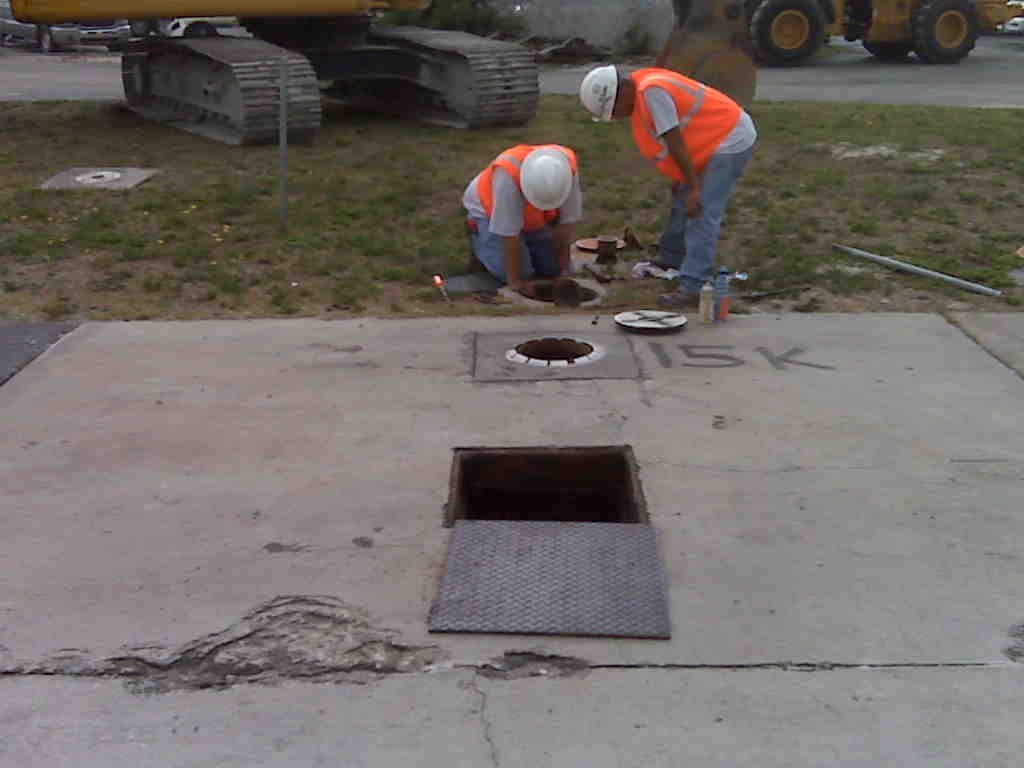
What it is, and when you need it.
A Phase I ESA is a records review, site reconnaissance, and interviews to identify recognized environmental conditions (RECs), following the ASTM E1527 standard and EPA's All Appropriate Inquiries rule. If a Phase I flags a concern, a Phase II ESA uses targeted soil, groundwater, and vapor sampling to define whether an impact is actually there, and how big it is. Engineering documents that require a professional seal are signed and sealed by the responsible Florida-licensed Professional Engineer.
You likely need this if…
- A lender requires it before financing
- You're buying or selling commercial property
- The site had fuel, auto, dry-cleaning, or industrial use
- You want the innocent-landowner liability protection under CERCLA
- A prior report flagged a recognized environmental condition
How the work gets done.
- Phase I
Records & Regulatory Review
Historical use, agency databases, and prior reports.
- Phase I
Site Reconnaissance & Interviews
A walk of the property and conversations with people who know it.
- Phase I
REC Determination (Phase I)
A clear finding on whether recognized environmental conditions exist.
- Phase II · only if warrantedOnly if needed
Phase II Sampling, Only if Warranted
A focused plan of borings, wells, or vapor points, not a blanket dig.
- Phase II · only if warrantedOnly if needed
Lab Analysis & Interpretation
What the data actually means for the deal.
- Deliverable
Report
Written findings and recommendations, addressed to the user parties named in the engagement. Engineering documents that require a professional seal are signed and sealed by the responsible Florida-licensed Professional Engineer.
After step 3: No recognized environmental conditions? The work ends here, with a clean Phase I report.
What drives cost and timeline.
Whether a Phase II is triggered
A clean Phase I ends the work; recognized conditions mean sampling, the single biggest cost variable.
Property size & history
More history and more acreage mean more records and more ground to screen.
Number of sample points
Borings, monitoring wells, and vapor points each add lab and field cost.
Lab turnaround & deadlines
Standard turnaround is built in; rush timelines for a closing cost more.
Frequently asked questions.
Do I always need a Phase II?
No. If the Phase I finds no recognized environmental conditions, the work ends there.
Can my lender rely on the report?
Reports can be addressed to the user parties named in the engagement, such as a buyer and its lender, and are prepared to the ASTM E1527-21 standard practice. Engineering documents that require a professional seal are signed and sealed by the responsible Florida-licensed Professional Engineer. Each lender sets its own acceptance requirements, so we confirm them at the start.
How long does a Phase I take?
Typically a matter of days to a couple of weeks, depending on records and site access. When a closing or lender deadline requires it, we can complete a Phase I in as little as 72 hours.
Not sure what your site needs?
Tell us about it and GeoTech Environmental will give you a straight answer.
Assessments, cleanup, tanks, and compliance.
Environmental consultation