
Used Oil Permitting & Management
Permits, registrations, and engineering plans for the Florida facilities that collect, move, store, and process used oil, prepared by a registered Florida engineering business.
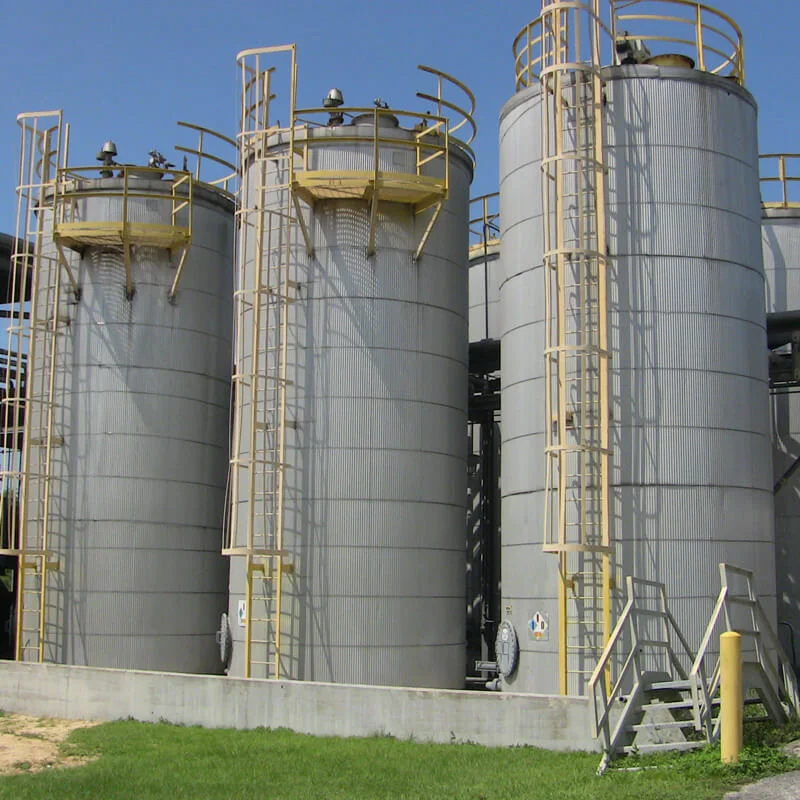
What it is, and when you need it.
In Florida, facilities that handle used oil work under the Florida Department of Environmental Protection's used oil rules (Chapter 62-710, F.A.C.). Processing facilities need a permit, and the engineering side of that application must be certified by a Professional Engineer. Transporters, transfer facilities, and processors register every year, and public used oil collection centers notify the Department and report annually.
GeoTech Environmental, Inc. is a registered Florida engineering business (No. 7396). We have prepared used oil management applications, permits, and engineering plans for processing facilities, public used oil collection centers, used oil transporters, transfer stations, and other facilities that store, process, or manage used oil. We have also designed used oil processing systems and a used engine oil regeneration system for clients in Florida.
You likely need this if…
- You plan to open, expand, or close a used oil processing facility
- You transport used oil or run a transfer facility
- You operate a public used oil collection center
- You're adding storage capacity or replacing tanks
- A regulator, buyer, or lender wants your closure plan or financial assurance
What your facility type needs.
Used oil processing facilities
An operating permit from FDEP, with the engineering certified by a Professional Engineer, a written closure plan, and a closing cost estimate backed by financial assurance.
Transporters and transfer facilities
Annual registration with FDEP, plus the plans and records that show used oil is tracked, stored, and handled correctly.
Public used oil collection centers
A notification to FDEP within 30 days of first accepting used oil from the public, and an annual report after that.
Other facilities that store or manage used oil
Storage tank evaluations, spill prevention, and contingency planning sized to the operation.
Documents we prepare
- Permit applications and annual registrations
- Annual certifications
- Closure plans
- Closing cost estimates
- Contingency plans
- Preparedness and prevention plans
- Spill prevention plans
- Training programs
- Unit management plans
- Used oil tracking plans
- Waste analysis plans
- Storage tank evaluations
How the work gets done.
- Assess
Classify the Operation
We confirm what role the facility plays (processor, transporter, transfer facility, or collection center) and which requirements apply.
- Assess
Evaluate the Site
Tanks, secondary containment, piping, and storage capacity, including a storage tank evaluation.
- Prepare & certify
Prepare the Plans
Closure, contingency, spill prevention, training, tracking, and waste analysis plans that match how the facility actually runs.
- Prepare & certify
Engineer and Certify
Engineering plans, system design where needed, and the PE certification the permit application and closing cost estimate require.
- File
File and Follow Through
We submit the application or registration to FDEP and answer the agency's questions through its review.
- Maintain
Keep It Current
Annual registrations and cost-estimate updates, and plan revisions whenever the operation changes.
Step 6: Registrations and closing cost estimates are updated every year, and plans are revised whenever the operation changes.
What drives cost and timeline.
Type of facility
A processing facility permit involves far more engineering than an annual registration.
Storage capacity and tank condition
More tanks, larger volumes, and older containment mean more evaluation and design.
Existing documentation
Current, accurate plans shorten the work; missing or outdated ones add to it.
Modification or closure
Expanding, changing, or closing a permitted facility adds plan updates, notices, and agency review.
Related: Hazardous Waste Management → Related: Storage Tanks & SPCC →
Frequently asked questions.
Do I need a permit or just a registration?
It depends on what the facility does. In Florida, used oil processing facilities operate under an FDEP permit. Transporters, transfer facilities, processors, used oil fuel marketers, and burners of off-specification used oil register with FDEP each year, and public used oil collection centers file a notification and an annual report. We'll confirm which applies to you.
Does a Professional Engineer have to be involved?
For a processing facility permit, yes. The engineering aspects of the application, and the closing cost estimate, must be certified by a Professional Engineer. GeoTech Environmental is a registered Florida engineering business (No. 7396).
We're adding tanks. Is that a permit modification?
It can be. Under the Florida rule, increasing a processing facility's storage capacity by 25% or 25,000 gallons, whichever is less, is a substantial modification, while replacing existing tanks with new ones is a minor modification. We'll tell you which applies before you build.
What happens when a processing facility closes?
The facility needs a written closure plan, must notify FDEP in writing at least 60 days before closing, and must submit a closure certification within 30 days after closing. The Department then releases the financial assurance once it confirms the closure.
Do you handle hazardous waste too?
Yes. See Hazardous Waste Management & Compliance.
Rules summarized from Chapter 62-710, Florida Administrative Code (Rules 62-710.500 and 62-710.800), for general information. Requirements can change; we confirm the current rule for your facility.
Permitting, registering, or closing a used oil facility?
Tell us about the operation and GeoTech Environmental will tell you exactly what it needs.
Assessments, cleanup, tanks, and compliance.
Environmental consultation